
Application-Driven Design for Hazardous Areas
Not all hazardous environments require the same explosion-proof solution.
In flammable and explosive environments, the real risk lies not merely in whether explosion protection is implemented, but in whether the chosen solution aligns with actual operational tasks. Different hazardous zones, working methods, and operational frequencies demand vastly different design requirements for explosion-proof equipment.
Our explosion-proof equipment always follows one principle: first understand the application scenario, then design the explosion-proof solution.
Custom explosion-proof designs tailored to different hazardous zones
In hazardous environments, “Zone” classification is merely the starting point—not the end goal of design.
operational task determines equipment structure
In hazardous environments, what equipment does matters more than what it’s called.
When designing explosion-proof equipment, we first focus on the task itself, such as:
- Is it for inspection or continuous production transfer?
- Is it for short-term use or 24/7 continuous operation?
- Is it high-frequency start/stop or steady-load operation?
These questions directly determine:
- Explosion-proof system configuration logic
- Power and control system selection
- Structural design and safety redundancy levels
Different tasks within the same hazardous area must never employ identical solutions.
Different application scenarios impose varying requirements on explosion-proof equipment
The “priority sequence” for explosion-proof design also varies significantly depending on the specific application scenario.
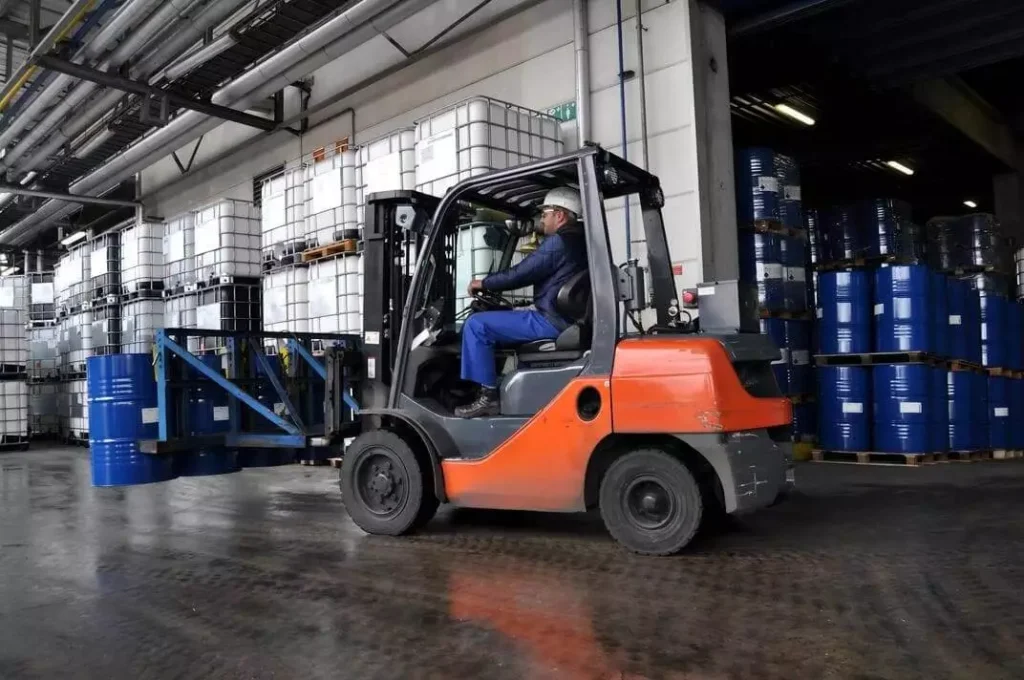
Hazardous Environment Warehousing
- Focus on aisle adaptation and stacking stability
- Prioritize high-frequency start/stop operations and personnel safety coordination
- Explosion-proof design must balance efficiency with safety margins
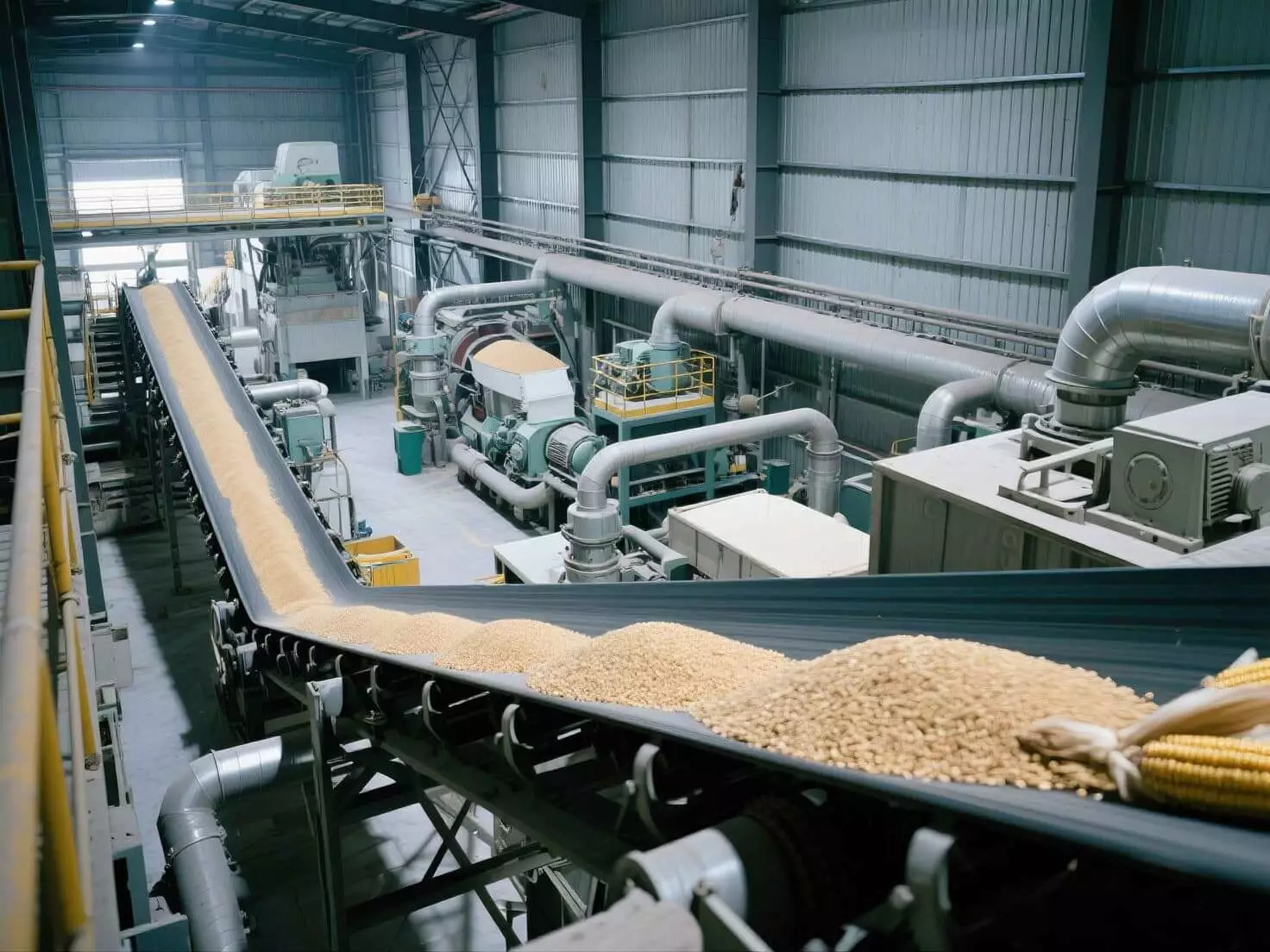
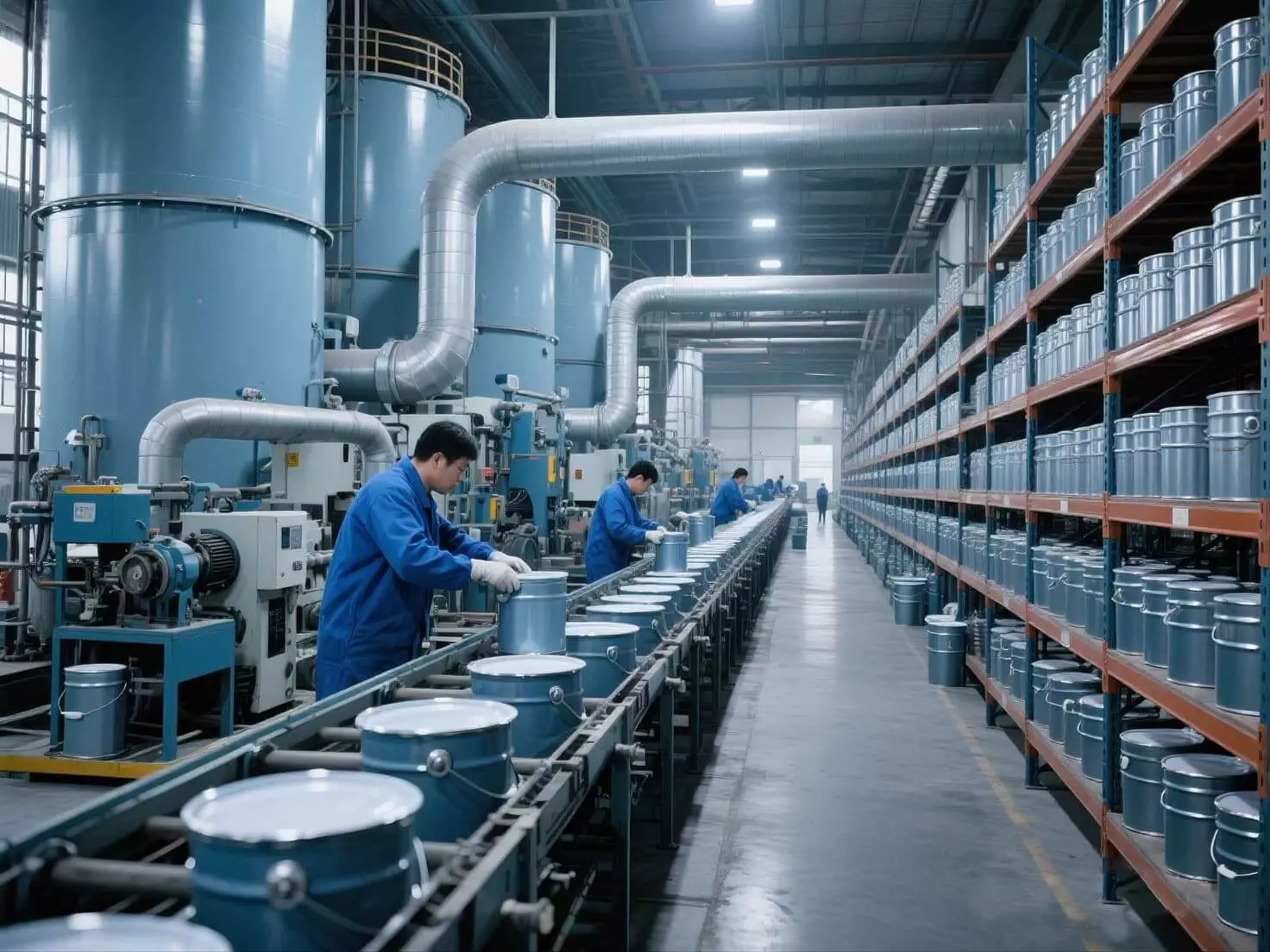
Hazardous Environment Production Lines
Greater emphasis on continuous operation capability
Higher demands on system stability and load management
Explosion-proof design must account for production cycle times

Inspection and Auxiliary Operations
- Greater emphasis on flexibility and accessibility
- Requires maintaining safe response in complex environments
- Explosion-proof design must cover multiple abnormal operating conditions

