
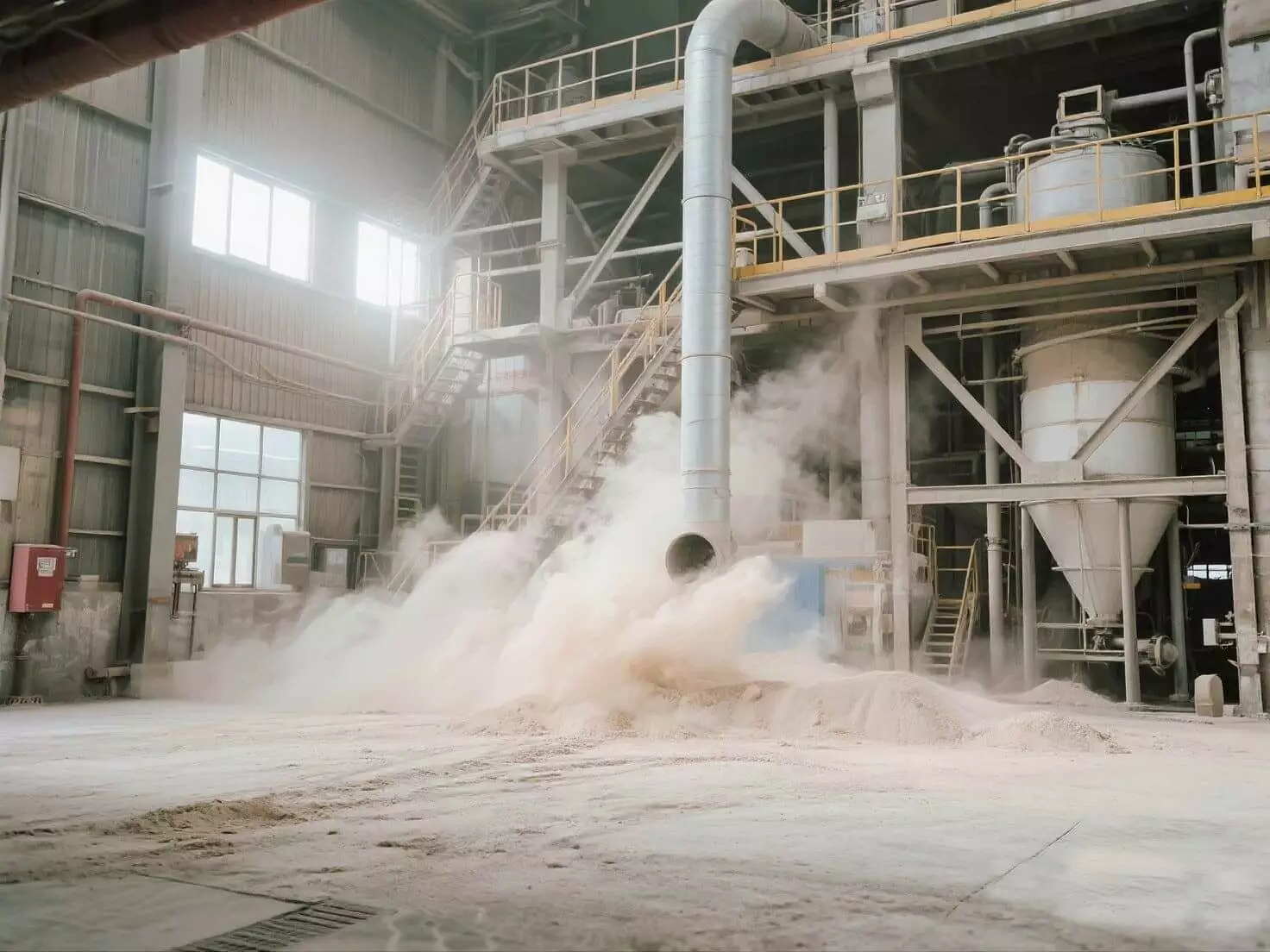
Explosion-Proof Rating and Hazardous Area Matching
For every explosion-proof project, the first critical question is: In what type of hazardous environment will the equipment operate?
We customize explosion-proof ratings based on the following dimensions:
- Flammable Gas Environments: Zone 1 / Zone 2
- Flammable Dust Environments: Zone 21 / Zone 22
- Hazardous Substance Type, Concentration, and Frequency of Presence
Customizing explosion-proof ratings isn't simply about raising standards—it's about finding the optimal balance between safety and usability.
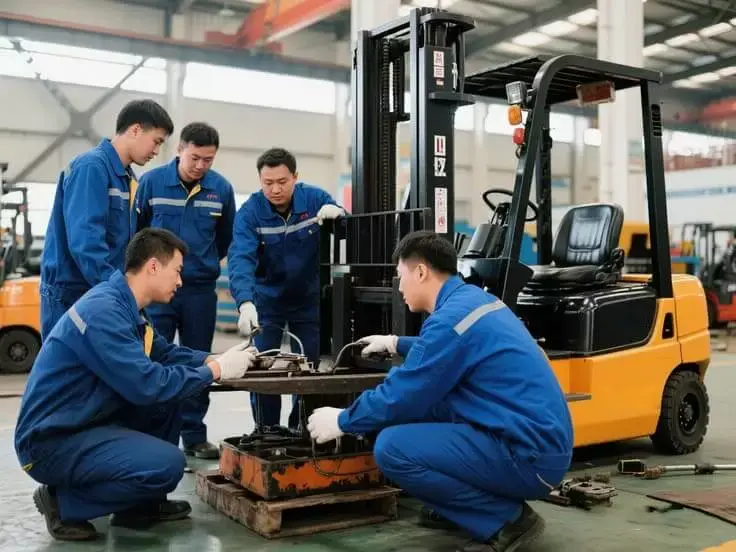
Function Modules and Operation Mode Customization
The “function” of explosion-proof equipment directly determines its system architecture and risk control logic.We customize based on actual tasks:
- Functional modules including inspection, transfer, stacking, and auxiliary operations
- Continuous or intermittent operation modes
- High-frequency start/stop or stable load conditions
Through customization of functions and operational modes, we ensure:
- Explosion-proof systems remain under constant control
- Equipment behavior aligns precisely with operational workflows
- Elimination of hidden risks caused by “functional mismatches”
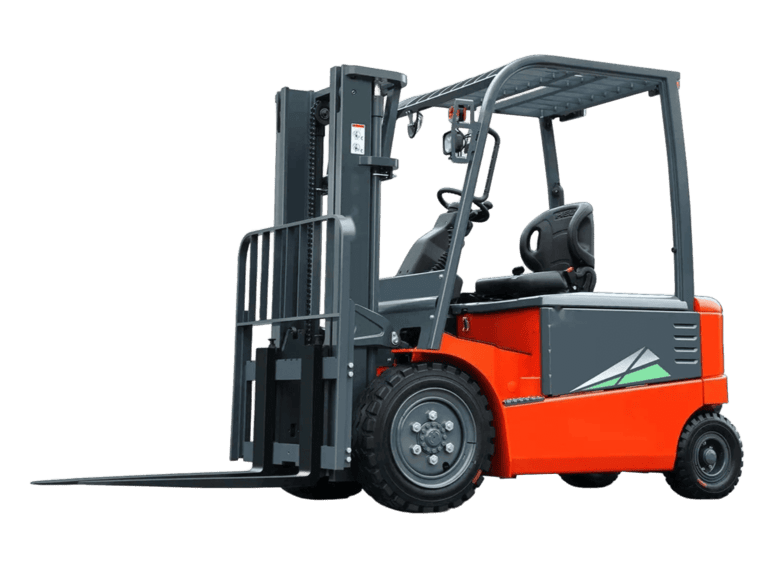
Equipment Dimensions, Structure, and Load Capacity
In hazardous environments, spatial constraints themselves constitute a risk factor.
We provide customized solutions based on site conditions:
- Chassis dimensions and aisle clearance
- Turning radius and operational range
- Load capacity and center of gravity distribution
This structural customization ensures the equipment maintains the following characteristics:
- Stability during actual operation
- Collision avoidance and prevention of misoperation
- Safe movement and operation in complex environments
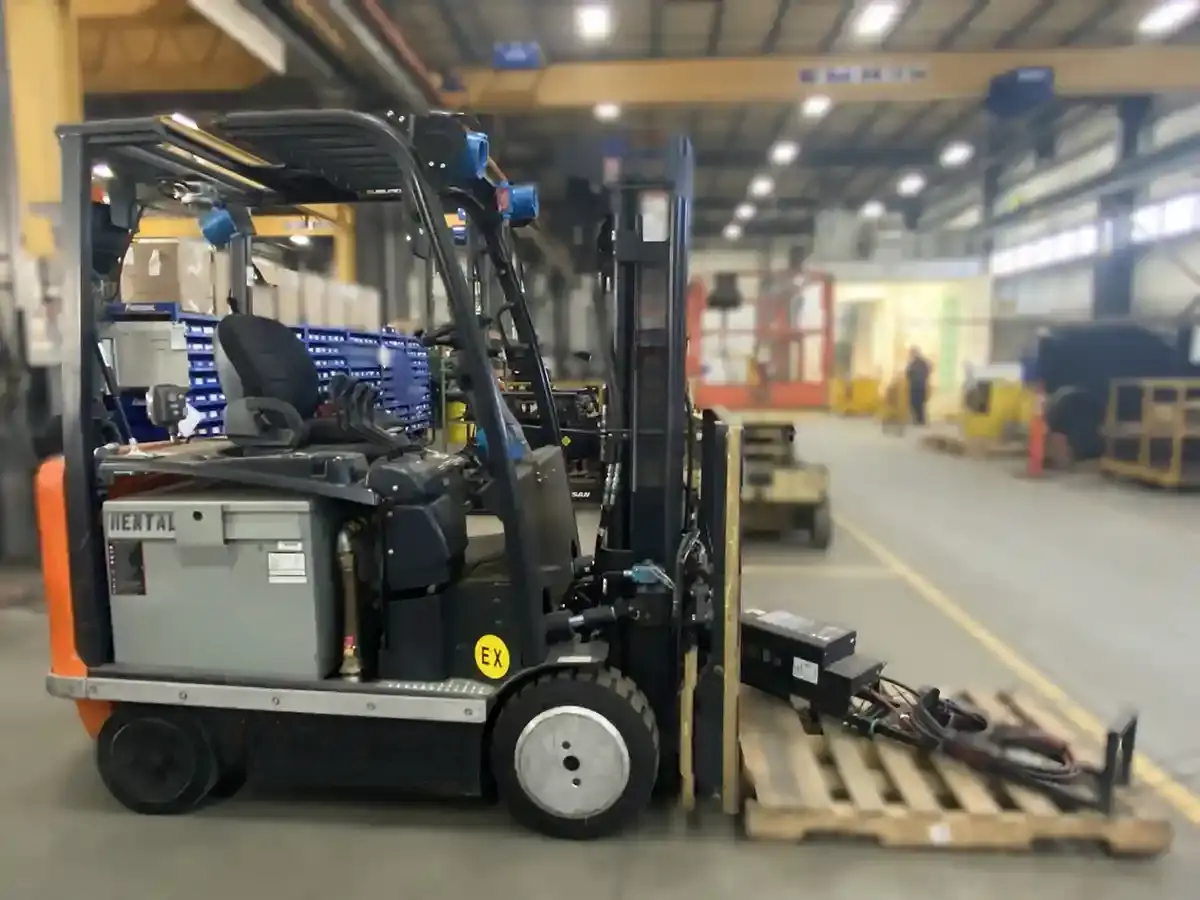
Power Systems, Endurance, and Operational Intensity
Different operational intensities demand entirely distinct power system specifications.
We tailor solutions based on usage requirements:
- Power system type and capacity
- Continuous runtime and endurance capability
- Safe power delivery logic under load variations
Our sole objective:
Ensure equipment remains within safe operating parameters regardless of duration or frequency of operation.
Safety, Communication, and Warning System Integration
In hazardous environments, safety depends not only on the equipment itself but also on how people interact with it.Customizable integrated systems include:
- Multi-level safety protection and interlocking
- Visual and audible warning systems
- Interfaces with field management or monitoring systems
These configurations help customers:
- Reduce risks of human error
- Enhance field controllability
- Meet internal safety management requirements