
System Level Explosion Protection Engineering
Explosion protection is not a label or an add-on.
It is an engineering system designed from the very beginning.

01
Why System-Level Explosion Protection Is More Critical Than Explosion-Proof Components?
Many so-called explosion-proof devices merely incorporate explosion-proof components in certain parts while overlooking the interactions between systems. In real hazardous environments, accidents are rarely triggered by a single component.
Our system-level explosion-proof engineering focuses on:
- Risk accumulation during simultaneous operation of multiple systems
- Chain reactions under abnormal operating conditions
- Coupling risks between human operations and equipment behavior
Our concern is not whether “a specific component is explosion-proof,” but whether “the entire equipment will never become an ignition source.”
02
Our Explosion-Proof Engineering Philosophy
We do not pursue “parameters that appear more explosion-proof,” but adhere to one principle:
If a system can never ignite, it is truly explosion-proof.
Every explosion-proof device undergoes system-level explosion-proof engineering design based on its application scenario, hazardous area, and operational tasks—never relying on a one-size-fits-all template.
03
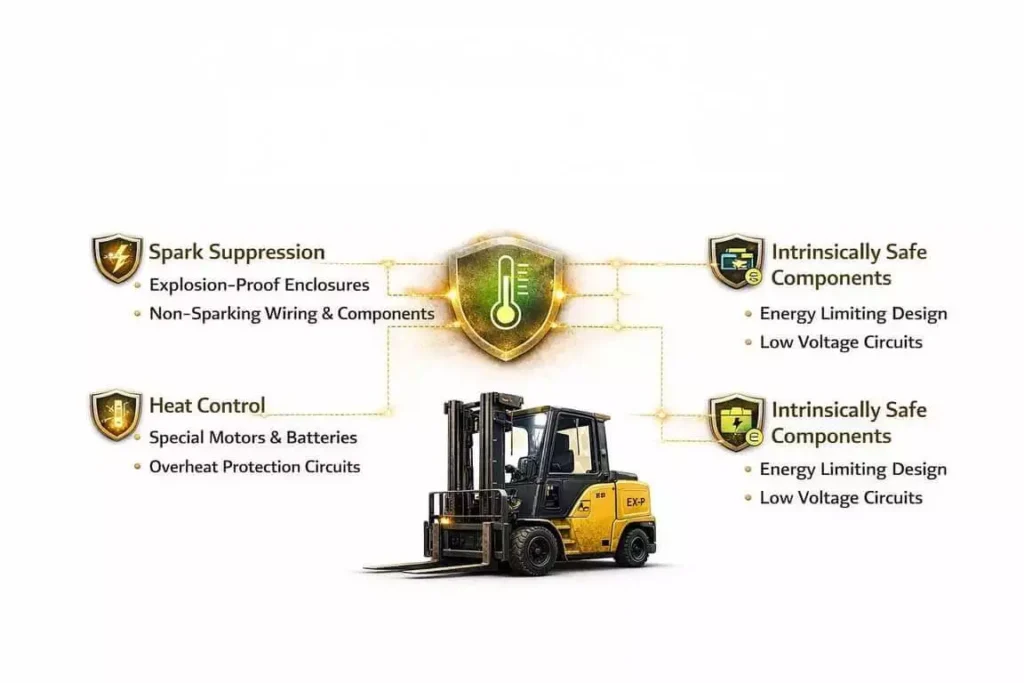
Electrical System Explosion-Proof Engineering
In hazardous areas, electrical systems represent one of the primary potential ignition sources. System-level explosion protection controls electrical risks at their source rather than relying on remedial measures.
Our electrical explosion-proof engineering focuses on:
- Preventing electrical sparks during operation and start/stop cycles
- Controlling surface temperature rise of critical components
- Avoiding abnormal discharges through structural design and component selection
Electrical explosion-proofing is not merely replacing components, but involves holistic system design centered on the entire unit’s operating conditions. This ensures safety is maintained under normal, abnormal, and boundary operating conditions.
04
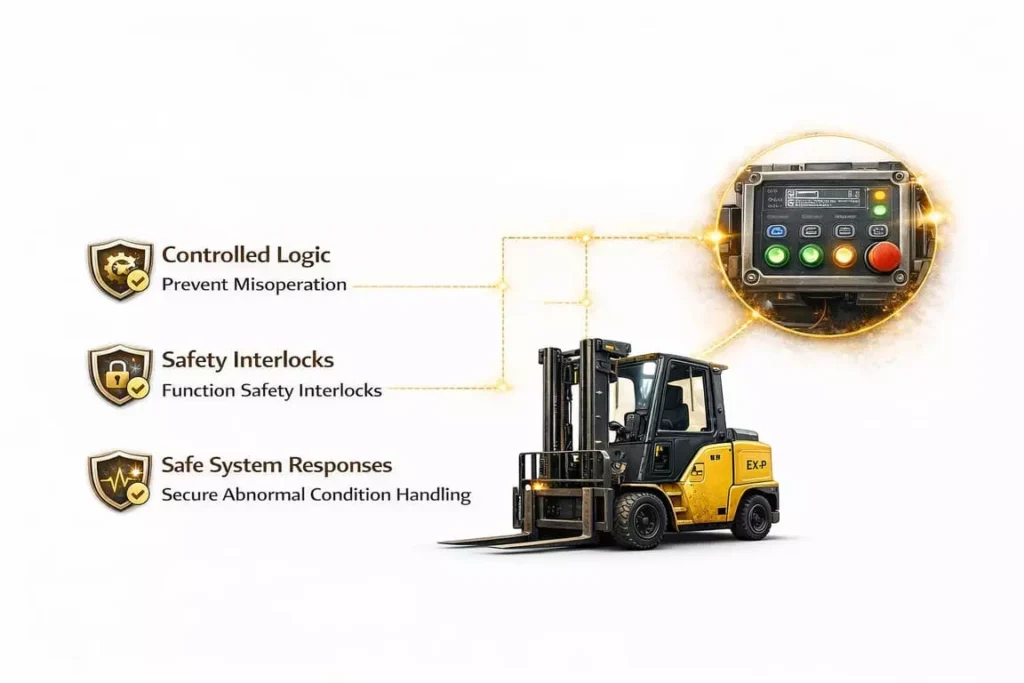
Explosion-Proof Engineering for Control Systems
The control system determines “how” equipment operates. In hazardous environments, incorrect actions themselves constitute risks.
System-level explosion-proof control focuses on:
- Controlled logic to prevent misoperation
- Safety interlocks between functions
- Safe responses during abnormal conditions
The objective of explosion-proof control systems is not to “make equipment smarter,” but to ensure equipment never performs dangerous actions under any circumstances.
05
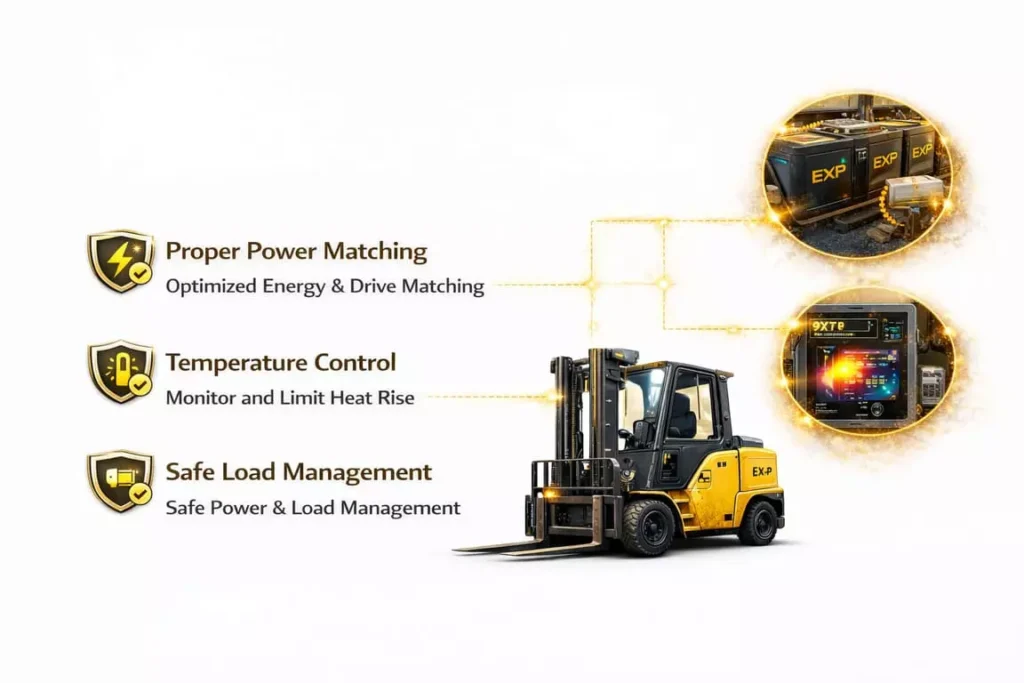
Explosion-Proof Engineering for Power & Energy Systems
Power systems are often overlooked sources of explosion hazards. High currents, heavy loads, and continuous operation all introduce potential thermal risks.
System-level explosion-proof engineering ensures:
- Proper power matching
- Temperature rise control and operational monitoring
- Safe power supply and load management
Equipment remains within safe operating parameters during high-intensity operations and continuous operation.
06
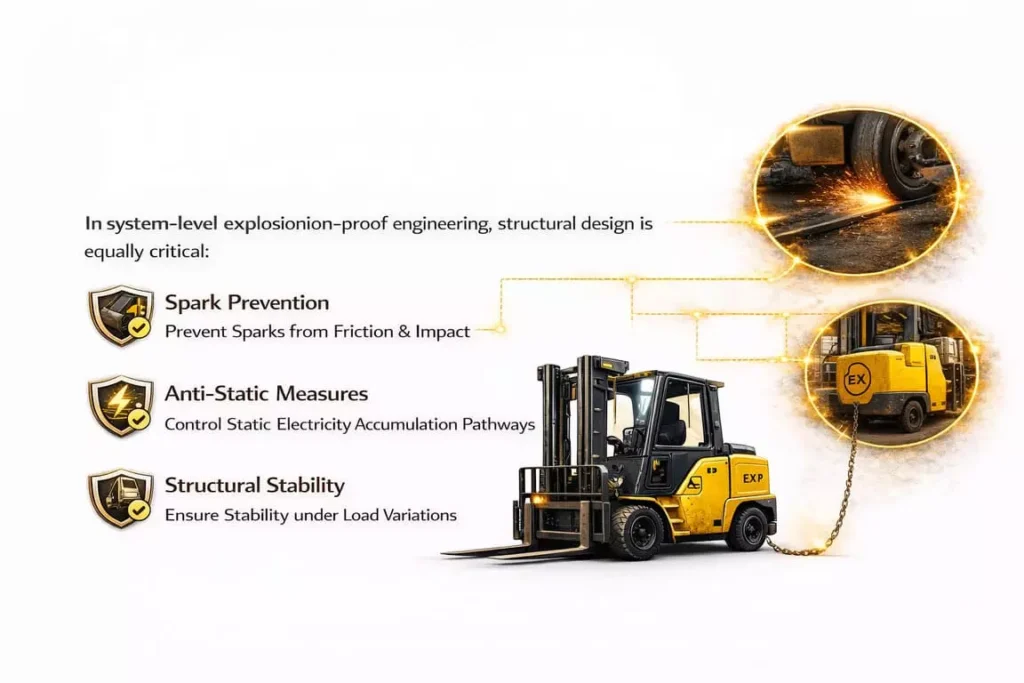
Mechanical & Anti-Static Design
Explosion protection is not merely an “electrical issue,” but also a “structural issue.”
In system-level explosion-proof engineering, structural design is equally critical:
- Prevent sparks from friction and impact
- Control static electricity accumulation and discharge pathways
- Ensure structural stability under load variations
These designs directly determine whether equipment can operate safely and reliably over the long term in real industrial environments.